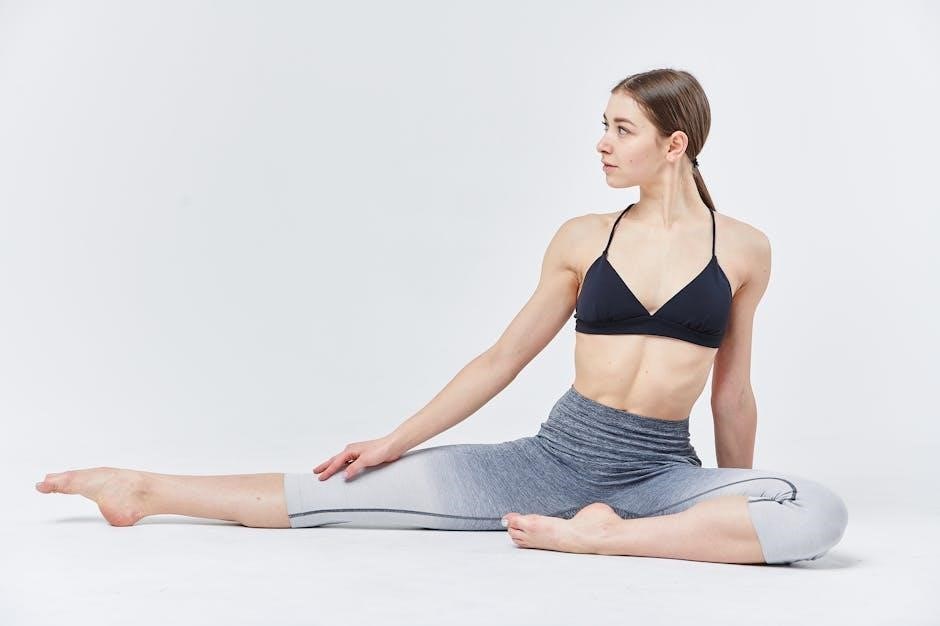
Seated Leg Exercises: A Comprehensive Guide (PDF Focus)
Discover a wealth of resources for seated leg exercises, including readily available PDF guides and online tutorials, designed to enhance strength and mobility․
Seated leg exercises offer a fantastic, low-impact approach to building strength and improving mobility, particularly beneficial for individuals with limited range of motion, balance concerns, or those recovering from injuries․ These exercises can be conveniently performed at home, requiring minimal equipment – often just a sturdy chair! The accessibility of PDF resources detailing these routines makes it easy to integrate them into a daily fitness plan․
Many online platforms provide downloadable PDF guides outlining various seated exercises, from simple extensions and heel raises to more advanced movements like plié squats with chair support․ These guides often include detailed instructions, illustrations, and modifications to suit different fitness levels․ Whether you’re seeking to alleviate pain, improve circulation, or simply maintain leg strength, seated exercises present a safe and effective solution․ Exploring available PDFs unlocks a pathway to a stronger, healthier you, all from the comfort of a chair․
Benefits of Seated Leg Workouts
Seated leg workouts deliver a surprising range of benefits, making them ideal for diverse populations․ Downloading a PDF guide unlocks access to routines that enhance muscle strength and endurance in the legs and core, improving functional fitness for everyday activities․ These exercises are particularly gentle on the joints, minimizing stress and reducing the risk of injury – a key advantage highlighted in many PDF resources․

Furthermore, consistent seated leg workouts, as detailed in readily available PDFs, can improve circulation, reduce swelling in the lower extremities, and even alleviate chronic pain․ They’re a fantastic option for seniors, individuals with mobility limitations, or those recovering from surgery․ The convenience of following a PDF allows for independent exercise, promoting self-efficacy and adherence to a fitness routine․ Ultimately, these workouts contribute to increased independence, improved quality of life, and overall well-being․
Who Can Benefit from Seated Leg Exercises?
A remarkably broad spectrum of individuals can benefit from incorporating seated leg exercises into their fitness routines, as detailed in numerous accessible PDF guides․ Seniors experiencing age-related muscle loss or balance concerns will find these exercises particularly valuable for maintaining independence and strength․ Individuals recovering from lower body injuries or surgeries can utilize PDF-guided routines for safe and effective rehabilitation․
Those with chronic conditions like arthritis or fibromyalgia, where joint pain limits mobility, can also experience relief and improved function through gentle seated leg workouts․ Moreover, people with limited mobility due to neurological conditions or disabilities can significantly benefit․ Even healthy individuals seeking a low-impact workout option can utilize PDF resources to supplement their existing fitness regimen, enhancing leg strength and overall well-being․ The adaptability of these exercises, clearly outlined in PDFs, makes them universally accessible․
Core Exercises
Explore essential seated leg exercises like heel raises and marching, often detailed in PDF guides, to strengthen core muscles alongside your lower body․
Seated Leg Extensions
Seated leg extensions are a foundational exercise frequently featured in seated leg exercise PDF resources․ This movement primarily targets the quadriceps, the muscles on the front of your thigh, enhancing their strength and definition; To perform this exercise correctly, sit comfortably in a chair with your feet flat on the floor․ Slowly extend one leg straight out in front of you, contracting your quadriceps throughout the motion․
Hold the extended position for a brief moment, then slowly lower your leg back to the starting position․ Repeat this process for the desired number of repetitions, then switch to the other leg․ Many PDF guides emphasize maintaining proper form – keeping your back straight and core engaged – to maximize effectiveness and prevent injury․ Variations, like adding ankle weights, are often included in more advanced PDF workout plans to increase the challenge․
Seated Heel Raises
Seated heel raises are a simple yet effective exercise commonly detailed within seated leg exercise PDF guides, focusing on strengthening the calf muscles – both the gastrocnemius and soleus․ Begin by sitting comfortably on a chair with your feet flat on the floor, ensuring a stable base; Slowly lift your heels off the ground, rising onto the balls of your feet, and actively contracting your calf muscles․
Hold this elevated position for a second or two, feeling the squeeze in your calves, then slowly lower your heels back down to the floor․ Repeat this motion for the prescribed number of repetitions․ PDF resources often highlight the importance of controlled movements and maintaining an upright posture throughout the exercise․ Adding resistance, such as holding light weights on your thighs, is a progression frequently found in intermediate to advanced PDF workout routines․
Seated Marching
Seated marching is a low-impact cardiovascular and strengthening exercise frequently included in seated leg exercise PDFs, particularly those geared towards beginners or individuals with limited mobility․ To perform this exercise, sit upright in a sturdy chair with your feet flat on the floor․ Begin by lifting one knee towards your chest, as if marching in place, while keeping your back straight and core engaged․
Slowly lower your foot back to the ground and repeat the motion with the other leg․ Continue alternating legs in a marching rhythm․ Many PDF guides suggest incorporating arm movements, like swinging your arms naturally as you would while walking, to enhance the cardiovascular benefit․ Variations, often detailed in more advanced PDFs, include increasing the speed or adding light ankle weights for increased resistance․
Strengthening Exercises
Explore targeted seated leg exercises within PDF guides, focusing on building strength and endurance through chair squats, leg raises, and resistance band presses․
Chair Squats
Chair squats are a foundational strengthening exercise frequently detailed in seated leg exercise PDF guides, offering a modified squat accessible for various fitness levels․ To perform, position yourself in front of a sturdy chair, feet shoulder-width apart․ Slowly lower your hips towards the chair as if you’re about to sit, maintaining a straight back and engaged core․
Tap your glutes lightly on the chair seat, then powerfully press back up to the starting position․ Many PDF resources emphasize proper form – keeping your knees aligned with your ankles and avoiding letting them extend past your toes․ Variations, often illustrated in these guides, include adding a slight pause at the bottom or incorporating a resistance band around your thighs for increased challenge․ Chair squats effectively target the quadriceps, hamstrings, and glutes, building lower body strength safely and effectively․
Leg Raises (Straight Leg Raises)
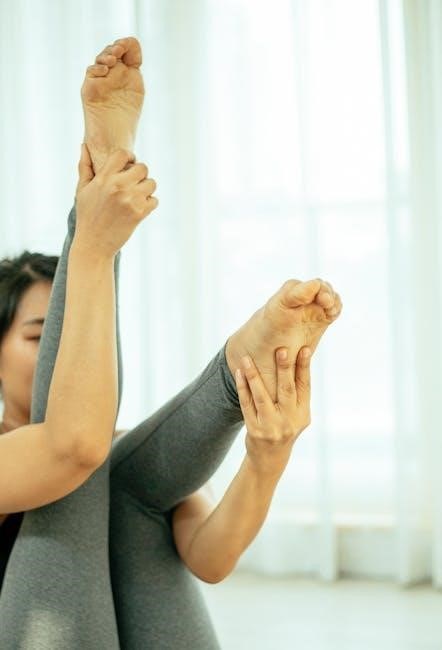
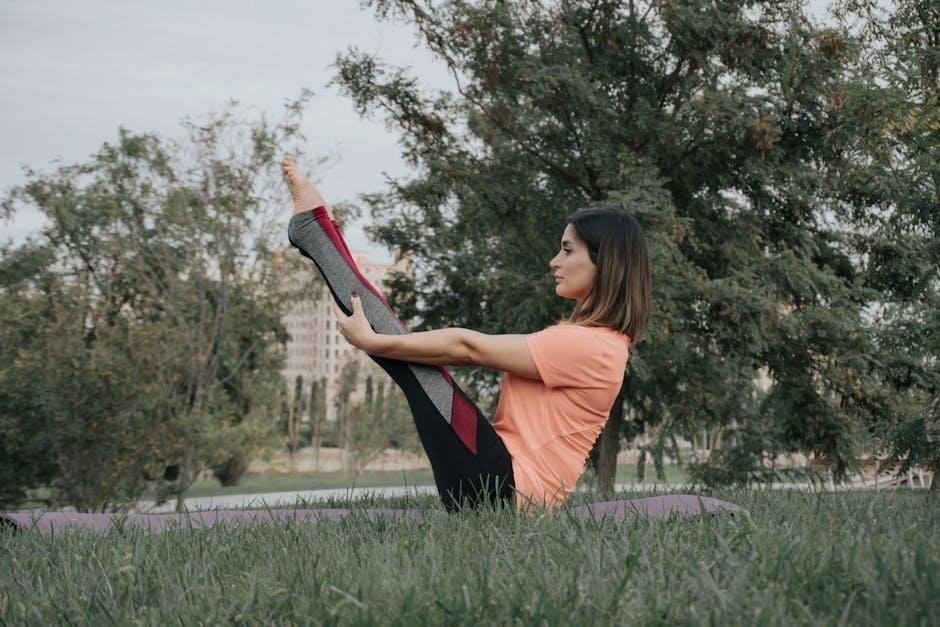
Straight leg raises are a common exercise found within many seated leg exercise PDF resources, designed to strengthen the quadriceps and core muscles․ Begin by sitting upright in a chair with your feet flat on the floor․ Slowly extend one leg straight out in front of you, keeping your knee locked and your thigh engaged․
Hold this position for a few seconds, focusing on contracting your quadriceps, then slowly lower your leg back to the starting position․ PDF guides often highlight the importance of maintaining a stable core throughout the movement to prevent lower back strain․ Repeat on the other leg․ To increase the difficulty, as shown in some PDFs, you can add ankle weights or perform the exercise with a resistance band looped around your feet․ This exercise improves leg strength and stability․
Resistance Band Leg Press (Seated)
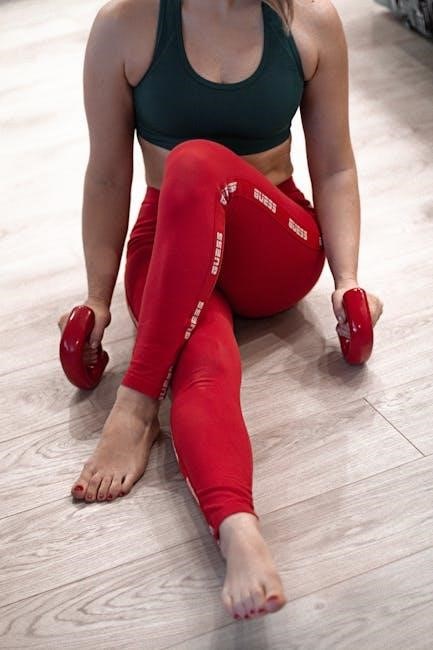
The seated resistance band leg press is a versatile exercise frequently detailed in seated leg exercise PDF guides, offering a progressive challenge to leg strength․ Secure a resistance band around the legs of a sturdy chair or table․ Sit with your back against the chair, and loop the other end of the band around the soles of your feet․
Press your legs outward against the resistance of the band, extending your knees as if performing a leg press․ Maintain control throughout the movement, and slowly return to the starting position․ Many PDFs emphasize selecting a band with appropriate resistance for your fitness level․ This exercise effectively targets the quadriceps, hamstrings, and glutes․ Variations, often illustrated in PDFs, include single-leg presses for increased intensity and balance work․
Advanced Exercises
Explore challenging seated leg exercises, often found in detailed PDFs, like plié squats and curtsy lunges, to maximize strength and stability gains․
Plié Squats with Chair Support
Plié squats, even with chair assistance, are a fantastic advanced exercise often detailed in comprehensive seated leg exercise PDF guides․ This movement effectively targets the inner thighs, glutes, and quads, building lower body strength and endurance․ To perform, position your feet wider than shoulder-width apart, toes turned outwards – hence the ‘plié’ or ‘bend’ in French․
Utilize a sturdy chair for support, lightly holding the seat for balance as you slowly lower your hips as if sitting back into a squat․ Maintain a straight back and engaged core throughout the movement․ Ensure your knees track in line with your toes, avoiding inward collapse․ Many PDF resources emphasize controlled movements, focusing on quality over quantity․
As you gain strength, gradually reduce reliance on the chair, aiming for a full range of motion while maintaining proper form․ PDF guides often include modifications for varying fitness levels, making this exercise accessible yet challenging․
Curtsy Lunges (Modified Seated Version)
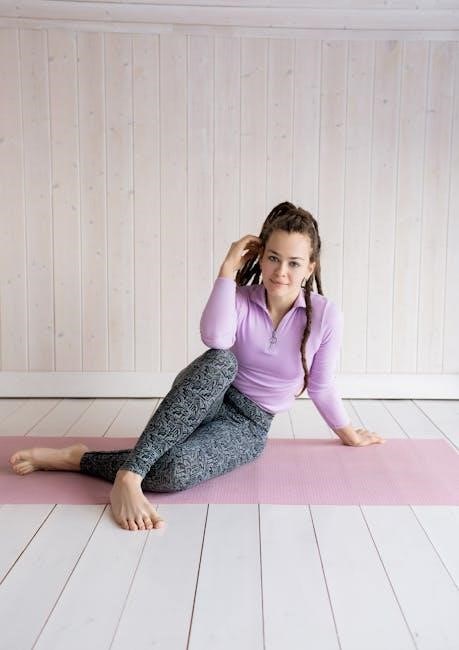
Curtsy lunges, adapted for a seated position, represent a challenging yet effective exercise frequently illustrated within detailed seated leg exercise PDF materials․ This modification focuses on hip abduction and external rotation, strengthening the glutes and outer thighs while minimizing stress on the knees․ Begin seated with feet hip-width apart;
Cross one leg behind the other, as if performing a curtsy, maintaining a straight back and engaged core․ Lean slightly forward, feeling the stretch in the outer hip of the crossed leg․ Many PDF guides highlight the importance of controlled movements, emphasizing a slow and deliberate pace․
Return to the starting position and repeat on the other side․ Advanced versions, detailed in some PDFs, may incorporate light ankle weights for increased resistance․ Remember to consult the PDF’s safety guidelines and modify as needed based on your fitness level․
Hip Abduction (Seated)
Seated hip abduction is a foundational exercise often detailed in seated leg exercise PDF guides, targeting the gluteus medius – crucial for hip stability and preventing lower body imbalances․ To perform, sit upright in a chair with your feet flat on the floor․ Maintaining a straight back and engaged core, slowly move one leg outwards, away from the midline of your body, keeping your knee slightly bent․
Hold briefly at the furthest point, feeling the contraction in your outer hip, then slowly return to the starting position․ Many PDF resources emphasize controlled movements over speed, prioritizing proper form to maximize effectiveness and minimize risk of injury․
Repeat on the other side․ Some PDFs suggest adding resistance bands around the ankles or thighs for a more challenging workout․ Always refer to the PDF’s illustrations and safety recommendations before beginning․
Exercise Technique & Form
PDF guides consistently stress proper posture and controlled movements during seated leg exercises, ensuring safety and maximizing muscle engagement for optimal results․
Proper Posture During Seated Exercises
Maintaining correct posture is paramount when performing seated leg exercises, as detailed in numerous PDF resources․ Begin by sitting upright in a sturdy chair, ensuring your back is straight but not stiff, and your shoulders are relaxed․ Feet should be flat on the floor or slightly elevated if necessary to maintain a 90-degree angle at the knees․
PDF guides often emphasize engaging your core muscles throughout each exercise to stabilize the spine and prevent lower back strain․ Avoid rounding your back or leaning forward excessively․ Keep your head aligned with your spine, looking straight ahead․ Proper alignment not only enhances the effectiveness of the exercises but also minimizes the risk of injury․
Consistent attention to posture, as illustrated in downloadable PDFs, will help you reap the full benefits of your seated leg workout and establish a safe and sustainable exercise routine․
Breathing Techniques for Seated Leg Workouts
Optimal breathing is crucial during seated leg exercises, and many PDF guides highlight its importance․ Generally, exhale during the exertion phase of each exercise – for example, as you extend your leg or rise into a chair squat․ Inhale deeply before beginning the movement and hold your breath briefly during the most challenging part, if comfortable․
PDF resources often recommend coordinating your breath with the movement to enhance stability and power․ Avoid holding your breath for extended periods, as this can increase blood pressure․ Focus on slow, controlled breaths throughout the workout․
Proper breathing not only improves performance but also promotes relaxation and reduces stress․ Following the breathing cues provided in seated leg exercise PDFs will maximize the benefits and ensure a safe and effective workout session․
Modifications for Different Fitness Levels
Many seated leg exercise PDFs offer modifications to accommodate varying fitness levels․ Beginners can start with a smaller range of motion or reduce the number of repetitions․ For example, chair squats can be modified by only lowering partially, while leg extensions can be performed with less resistance․
Intermediate individuals can increase the repetitions, sets, or resistance using ankle weights or resistance bands, as detailed in some PDF guides․ Advanced users can explore more challenging variations, like adding pulses or holding the extended position for longer durations․
PDF resources frequently emphasize listening to your body and adjusting the exercises accordingly․ Prioritize proper form over intensity, and don’t hesitate to modify or stop if you experience any pain․ Gradual progression is key to building strength and avoiding injury․
Creating a Seated Leg Workout Routine
Utilize seated leg exercise PDFs to design a personalized routine, incorporating warm-ups, targeted exercises, and cool-down stretches for optimal results․
Warm-up Exercises for Seated Leg Workouts
Prior to initiating your seated leg exercise routine, a thorough warm-up is crucial for preparing your muscles and joints, minimizing injury risk, and maximizing effectiveness․ Many seated leg exercise PDF guides emphasize the importance of dynamic stretching․ Begin with gentle leg circles – slowly rotating your ankles and knees, both clockwise and counterclockwise, for approximately 30 seconds per leg․
Next, incorporate seated marching, lifting your knees towards your chest in a controlled manner for one minute․ This activates the hip flexors and quadriceps․ Follow this with ankle pumps, pointing your toes up and down repeatedly to improve circulation in the lower legs․ Heel slides, gently sliding your heels along the floor towards your buttocks and then extending them back out, are also beneficial․
These warm-up exercises, often detailed within seated leg exercise PDF resources, should be performed with controlled movements and without causing any pain․ A proper warm-up ensures your muscles are pliable and ready for the more strenuous exercises to follow, contributing to a safer and more productive workout․
Cool-down and Stretching
Concluding your seated leg workout with a cool-down and stretching session is vital for muscle recovery and flexibility enhancement․ Many seated leg exercise PDF resources dedicate sections to post-workout routines․ Begin with five minutes of gentle seated marching, gradually decreasing the intensity to lower your heart rate․
Follow this with static stretches, holding each stretch for 20-30 seconds․ Key stretches include hamstring stretches (reaching towards your toes while seated), quadriceps stretches (gently pulling your heel towards your buttocks), and calf stretches (pointing your toes and gently leaning forward)․ PDF guides often illustrate proper form for these stretches․
Remember to breathe deeply throughout the stretching process․ Focus on feeling a gentle stretch, not pain․ Consistent cool-downs and stretching, as outlined in seated leg exercise PDF materials, improve range of motion, reduce muscle soreness, and promote overall well-being, making future workouts more effective․
Sample Seated Leg Workout (Beginner)
Here’s a beginner-friendly seated leg workout, often detailed within comprehensive seated leg exercise PDF guides․ Perform each exercise for 10-12 repetitions, completing 2-3 sets with 60 seconds rest between sets․ Start with seated leg extensions – straighten your leg and slowly lower it․ Next, try seated heel raises, lifting your heels off the floor․
Incorporate seated marching, lifting your knees towards your chest․ Follow with chair squats, gently standing up and sitting down, using the chair for support․ Many PDF resources emphasize proper form․
Remember to listen to your body and modify exercises as needed․ This routine, frequently found in seated leg exercise PDFs, builds foundational strength․ Gradually increase repetitions or sets as you progress, always prioritizing controlled movements and proper technique for optimal results and injury prevention․
Resources & Further Information
Explore numerous seated leg exercise PDFs and online videos for detailed guidance; consult a healthcare professional for personalized advice and safe implementation․
Finding Printable Seated Leg Exercise PDFs
Locating printable seated leg exercise PDFs is surprisingly straightforward, offering a convenient way to access routines without constant screen time․ A quick online search using keywords like “seated leg exercises PDF,” “chair exercises for seniors PDF,” or “low-impact leg workout PDF” yields numerous results․ Many fitness websites and healthcare providers offer free downloadable PDFs detailing various exercises, including seated leg extensions, heel raises, and marching variations․
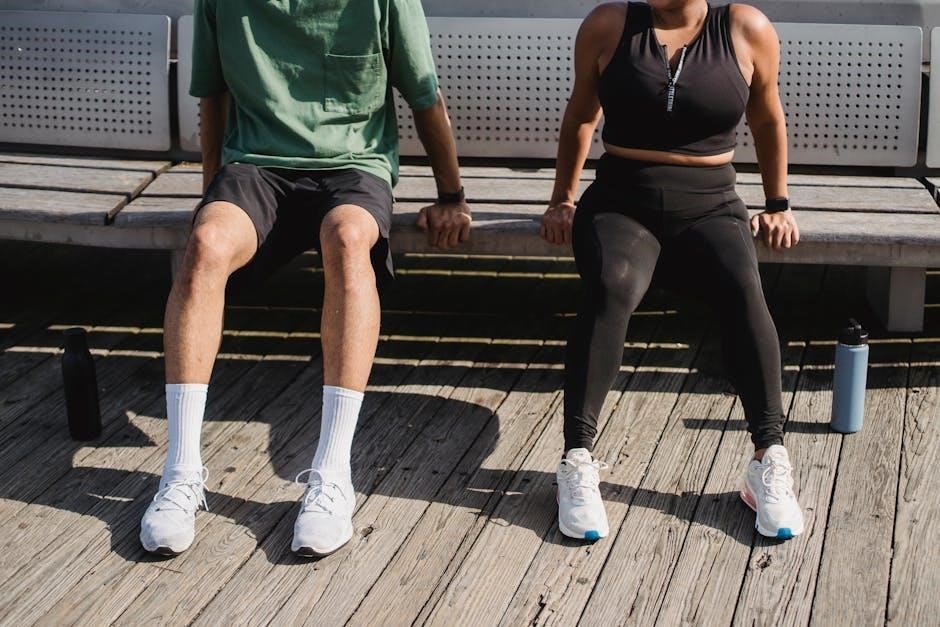
Consider exploring websites specializing in senior fitness or rehabilitation exercises, as they often provide tailored PDF guides․ Platforms like SilverSneakers or those associated with physical therapy clinics are excellent resources․ When selecting a PDF, ensure it includes clear instructions, illustrations, and modifications for different fitness levels․ Prioritize PDFs from reputable sources to guarantee exercise safety and effectiveness․ Remember to always consult your doctor before starting any new exercise program, even one utilizing a printable PDF guide․
Online Video Tutorials for Seated Leg Exercises
Complementing printable seated leg exercise PDFs, online video tutorials provide a dynamic learning experience․ Platforms like YouTube host a vast collection of videos demonstrating proper form and technique for exercises like chair squats, leg raises, and resistance band workouts․ Searching for terms like “seated leg exercises for seniors,” “chair leg workout,” or “low impact seated exercises” will reveal numerous options․
Look for videos led by qualified fitness professionals or physical therapists to ensure accuracy and safety․ Pay attention to tutorials that offer modifications for varying fitness levels and address common mistakes․ Visual demonstrations are particularly helpful for understanding the correct movement patterns and avoiding injury․ Many videos also provide guidance on warm-up and cool-down routines․ Combining video tutorials with a downloadable PDF allows for a comprehensive and effective seated leg workout experience, enhancing understanding and promoting consistent practice․
Consulting with a Healthcare Professional
Before beginning any new exercise program, including those utilizing seated leg exercise PDFs, consulting with a healthcare professional is crucial, especially if you have pre-existing health conditions․ This is particularly important for individuals with mobility issues, joint pain, or cardiovascular concerns․ A doctor or physical therapist can assess your individual needs and limitations, ensuring the exercises are safe and appropriate for you․
They can also provide personalized recommendations and modifications based on your specific condition․ Discuss any pain or discomfort experienced during exercise with your healthcare provider․ They may suggest alternative exercises or adjustments to your routine․ Utilizing a PDF guide is helpful, but professional guidance ensures proper form and minimizes the risk of injury, maximizing the benefits of your seated leg workouts and promoting long-term health and well-being․